Spring is the perfect time to get kids outside and exploring the world around them! From sprouting seeds in jars to watching bees visit spring flowers, the season is full of hands-on science opportunities. Here are 40 Spring STEM Activities for kids turn ordinary backyard adventures into exciting experiments that teach observation, problem-solving, and the wonder of nature. These activities cover plants, soil, ecosystems, pollination, birds, weather, and even nature-inspired art, therefore there’s something for every curious kid to discover this spring.

Hands-On Spring STEM Activities Kids Will Love
Spring is the perfect season to take STEM learning outside. In Spring plants begin to grow, insects reappear, and ecosystems come back to life, therefore kids have endless opportunities to explore real-world science concepts through hands-on activities. This is specifically what makes Spring STEM Activities such a powerful way to introduce science through real-world experiences kids can see and touch.
These STEM Activities for Spring focus on environmental science, biology, ecology, and earth science — all using materials you already have or can find outdoors. These activites make science more engaging whether you’re homeschooling, supplementing classroom learning, or simply looking for meaningful outdoor activities.
Why Spring Is the Best Time for Nature-Based STEM Activities
Spring naturally invites curiosity. As kids observe changes in weather, soil, plants, and animals. As a result these observations are the foundation of scientific thinking.
STEM Skills Kids Build Through Nature-Based Activities
Nature-based STEM activities help children develop observation and critical thinking skills, hyothesis testing, explore cause-and-effect relationships, pattern recognition, and practice early data collection and analysis. As they observe plants, insects, and weather, kids also gain a deeper understanding of ecosystems and environmental responsibility and environmental stewardship.
Best of all, these activities work for multiple age ranges, making them ideal for families with kids of different ages, whether at home or in a classroom setting.
How to get your kids interested in STEM
Getting kids excited about STEM doesn’t have to be complicated. The key is making it hands-on, playful, and connected to their world.
- Start with everyday things like growing plants, observing insects, or watching rain puddles form.
- Combine creativity with science, like making leaf prints, building mini ecosystems, or designing seed parachutes.
- Encourage questions and predictions. Let kids guess what will happen and then test it themselves.
Benefits of Spring STEM Challenges
Spring is the perfect time to bring STEM Activities outside and connect kids to nature. A Spring STEM challenge can:
- Kids can work on observation skills by noticing buds, insects, or soil changes.
- You can teach cause-and-effect and problem-solving through hands-on experiments.
- Build early scientific thinking, such as testing hypotheses, collecting data, and noticing patterns.
- Encourage physical activity and outdoor exploration while learning.
- Make learning fun and seasonal, tying science concepts to the changing world around them.
Spring STEM challenges turn ordinary days into mini adventures, showing kids that science is all around them in the soil, the sky, and even the puddles after a rainstorm.
1. Signs of Spring STEM Activities for Kids
Spring is a fun time to explore nature. Trees have started budding, early flowers are blooming, and the weather is changing. These activities encourage observation, curiosity, and critical thinking, making them perfect for Spring STEM Activities that connect children with nature while having fun.
Signs of Spring Nature Walk
Go on a Signs of Spring Nature Walk and record observations such as what flowers are blooming, what trees are budding, what birds do you see. This is also a great time to make note of bees coming back out of their hives. Now is the time to pull out nature journals and record or draw pictures of what you see.
Participate in Citizen Science
Do Citizen Science with organizations like BudBurst through the Chicago Botanic Garden and help scientist answer questions like how the climate is afffecting plants.
Track Weather and Daylight Patterns
Record daily temperature, daylight hours, and weather patterns to notice seasonal changes. In addition kids can observe trends and learn how weather impacts plants and animals. Older kids can graph these changes.
Start Seedlings or Early Garden Crops
Early spring is a great time to start seedlings or get your first crop in the garden. Fast growing plants such as lettuce, raddishes, and peas sprout quickly. Kids can compare plant growth week to week. Younger kids can just observe the plant growth or draw a picture each week but older kids can measure, keep track of growth and graph it.
Sound & Vibration Science
Spring mornings are full of natural sounds for example bird songs, frog calls, and buzzing insects. As kids observe they can map these sounds by talling the things they hear and they can experiment with homemade instruments using sticks, rocks, or leaves.
2. Plant Life Cycle STEM Experiments
Spring is the perfect time to explore how plants grow. Seeds begin to sprout, leaves slowly open, and flowers start to bloom, so kids can actually watch these changes happen in real time. These spring STEM activities help children slow down, pay attention, and start asking questions as plants move through each stage of growth, turning everyday moments outside into meaningful science learning
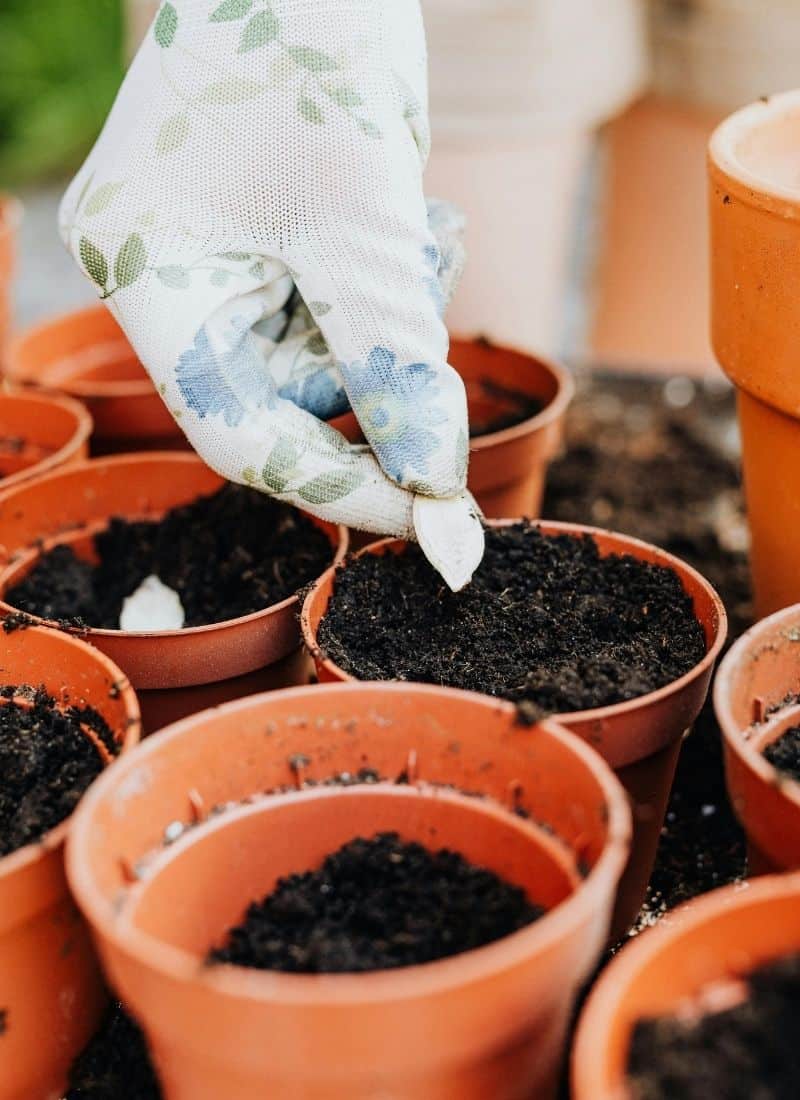
Sprout Seeds in Jars or Bags
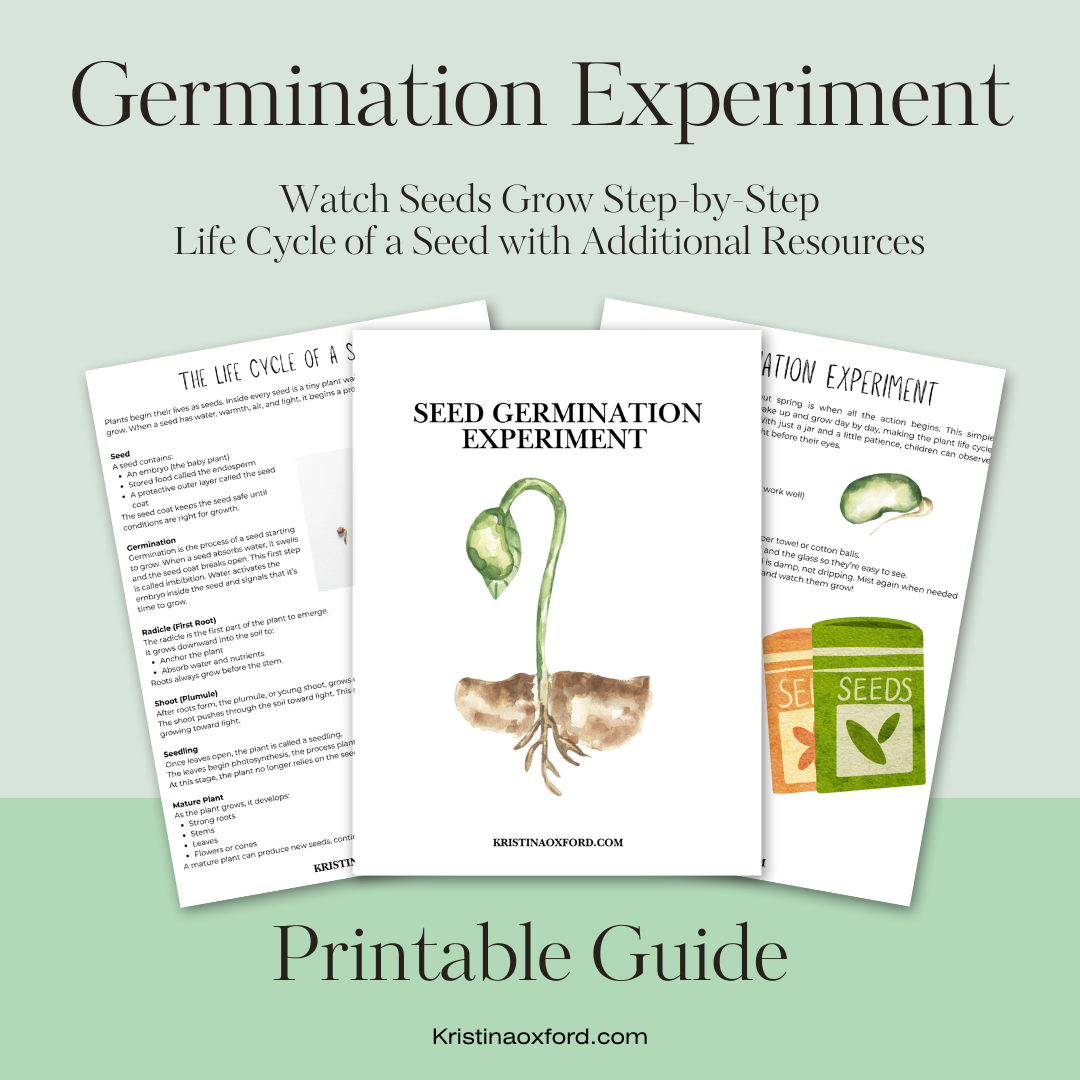
Start with something simple and magical, watching seeds sprout! Place seeds in a clear jar or a plastic bag with a damp paper towel and observe daily changes. Kids can track the stages of germination, note when roots and shoots appear, and even draw what they see.
See the full Seed Germination Experiment with step-by-step instructions, mini lesson, and extension ideas here.
Compare Growth in Sunlight vs. Shade
This is a really simple way for kids to see how much sunlight actually matters. Set out two identical plants, one in a sunny spot and one in the shade, and watch what happens over time. After a week or two, kids will usually start noticing differences. One plant might grow taller, look greener, or just seem healthier overall. It’s a great starting point for talking about why plants need sunlight to grow.
- Place identical plants in sunny and shaded areas.
- Watch for differences in stem length, leaf color, and overall health over several weeks.
- Discuss why sunlight is essential for plants.
Experiment with Watering Schedules
Not all plants need the same amount of water, and this is a great way to explore that. Try growing the same type of plant with different watering routines, like every day, every few days, or once a week. Over time, kids can start to see which plants thrive and which ones struggle.
- Grow identical plants with different watering routines: daily, every few days, or weekly.
- Track growth, leaf color, and overall health.
- Record results and graph data to see which schedule works best.
Flower Color Experiments (Capillary Action)
Use white flowers like carnations or celery stalks in colored water to explore how plants transport water. Over hours or days, kids will see petals or leaves change color as water travels through the plant.
- First cut the ends of white flowers like carnations or babys breath and celery stalks
- Then place them in water with food coloring
- Observe how petals or leaves change color as water travels through the plant.
- Discuss how water moves through plants and why this is important.
Seed Experiments: How Seeds Travel
Seeds are the first step in a plant’s life cycle, and spring is the perfect time to explore how they move before they grow. These experiments show how seeds rely on wind, water, or animals to reach new places.
- Collect different types of seeds
- Drop seeds from different heights and observe how far they travel.
- Test wind, water, and animal dispersal models using fans, water containers, or fabric to drag seeds.
- Use a fan or your breath to test wind movement
Design Seed “Parachutes”
Turn this into a little engineering challenge. Can you design a “seed” that travels farther? Kids can use paper, tissue, or even leaves to build tiny parachutes, then test them by dropping them from different heights. It’s a fun mix of science and creativity, and kids usually want to keep tweaking their designs to make them better.
3. Dig Into Soil Science This Spring
Soil doesn’t always get much attention, but spring is the perfect time to explore it. Over time as rain soaks into the ground and new plants begin to grow, kids can easily see how soil holds water, supports roots, and provides a home for worms and other tiny creatures. Spring STEM activities focused on soil invite children to dig, observe, and discover how everything growing above ground depends on what’s happening beneath the surface.
Compare sand, clay, and garden soil
Another fun activity. Have children examine sand, clay, and garden soil side by side, exploring the differences in texture, color, and structure. They can touch, crumble, and gently press each soil type to see how it behaves. Kids can describe which soil feels gritty, sticky, or loose and make predictions about which would hold water best or support plant growth.
Soil Permeability Experiment (Using Soda Bottles)
Pour equal amounts of water onto sand, clay, and garden soil to see how quickly it soaks in or pools. This simple experiment teaches kids about drainage, permeability, and how soil affects plant growth.
- Cut the tops off clear soda bottles and invert them to create funnels.
- Place a coffee filter or paper towel at the bottom to keep soil from falling through.
- Fill each bottle with a different soil type: sand, clay, and garden soil.
- Pour equal amounts of water into each bottle at the same time.
- Observe how fast water drains or pools in each soil type.
- Discuss why some soils drain faster than others and how this affects plant growth.
Look for Living Organisms in Soil Samples
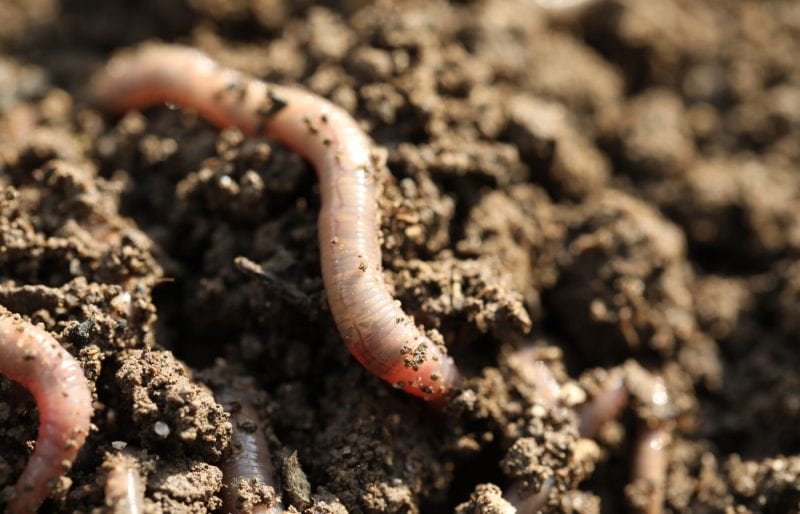
Spread soil samples on a tray and use a magnifying glass to search for worms, insects, tiny roots, or fungal strands. Kids can gently sort through the soil, noticing how many different living things share this underground space. In addition, observing worms in the soil helps kids understand how decomposers work. Compare samples from different areas, like garden soil, compost, or soil from under a tree to see how life changes from place to place.
4. Decomposition Experiments (Safe & Simple)
Soil, leaves, and kitchen scraps may seem ordinary, but spring is the perfect time to watch them transform. As organic materials break down, kids can see nature’s recycling system in action and discover how tiny organisms help return nutrients to the soil. Spring STEM activities focused on decomposition invite children to dig, observe, and explore how life above ground depends on what’s happening behind the scenes.
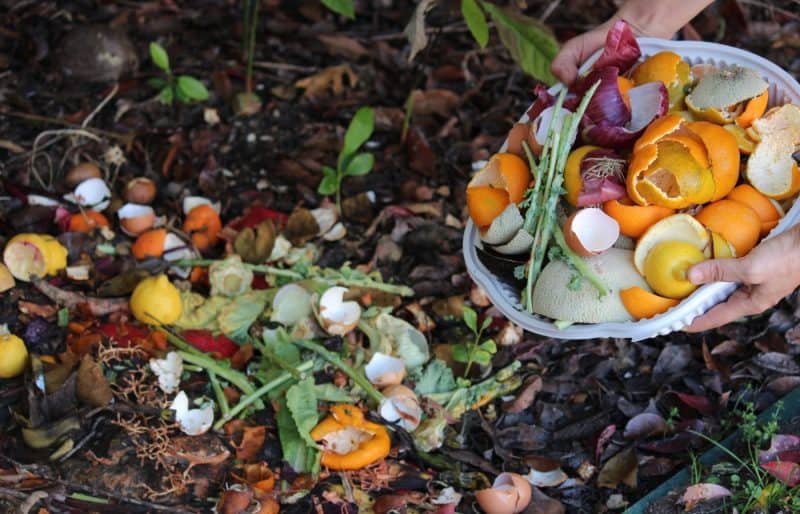
Nature’s Recycling Lab
Another fun activity is natures recyling lab. Have kids collect leaves, veggie peels, fruit scraps, or other safe organic materials and bury them in small pots or a patch of garden soil. Over several weeks, encourage them to observe changes in color, texture, smell, and even the tiny critters at work breaking down the materials. For extra fun, leave some items on top of the soil or in a separate container to compare which ones decompose faster. Kids can record their observations through drawings, photos, or a mini science journal.
Compost in a Jar
Composting isn’t just for the garden, it can fit right on your windowsill! This activity lets kids layer kitchen scraps, soil, and leaves in a jar to watch how organic materials slowly transform into nutrient-rich compost, giving a fun, hands-on look at nature’s recycling superpowers.
- How to do it: Fill a clear jar with layers of soil, leaves, and kitchen scraps. After that, leave it in a warm spot and cover loosely.
- What kids do: Observe the layers over time and watch how materials break down, noting smells, color changes, and tiny critters.
Eggshell Decomposition Experiment
Eggshells aren’t just for breakfast, they’re full of minerals that plants love! This experiment lets kids explore how even hard materials slowly break down and return nutrients to the soil, helping the environment along the way.
- How to do it: Crush eggshells and bury them in soil or place in water to see how they break down over time.
- What kids do: Check weekly for changes, testing how long it takes for the shells to decompose.
Paper Towel or Leaf Decay Challenge
Paper towels, napkins, and fallen leaves aren’t just trash—they’re tiny experiments waiting to happen! This activity lets kids see how burying materials in soil changes the way they break down compared to items left out in the open, giving a firsthand look at the power of moisture, soil, and microorganisms.
- How to do it: Take paper towels, napkins, or leaves and bury some in soil while leaving others exposed.
- What kids do: Observe differences in decomposition between buried vs. exposed items.
Worm Observation Bin
Worms are nature’s little recyclers. This activity lets kids watch how worms move, eat, and help break down organic materials. In addition to showing the important role decomposers play in healthy soil and thriving ecosystems.
- How to do it: Set up a small bin with soil, leaves, and food scraps. Add a few worms.
- What kids do: Watch how worms move, eat, and help break down organic material.
5. Ecosystem Activities for Kids (Backyard-Based)
Your backyard is full of tiny adventures! From buzzing insects to growing plants, kids can explore how every living thing (producers, consumers, and decomposers) works together in an ecosystem. These hands-on activities turn ordinary outdoor time into exciting Spring STEM Activities full of observation, discovery, and a little bit of backyard magic.
Identify Producers, Consumers, and Decomposers
Grab a notebook and take a nature walk around the yard. Kids can spot producers like flowers and grass, consumers like bugs, birds, or squirrels, and decomposers like worms and fungi. Challenge them to sort their observations into categories or even make a colorful chart.
Build a Simple Ecosystem Model
Bring the backyard inside! Kids can create a mini ecosystem in a clear jar or terrarium using soil, small plants, moss, and tiny critters like snails or insects (optional). Watching plants grow and organisms interact in this contained setup is a fantastic way to demonstrate the balance of ecosystems. Encourage kids to add labels, draw diagrams, or make a “science diary” to track changes over time.
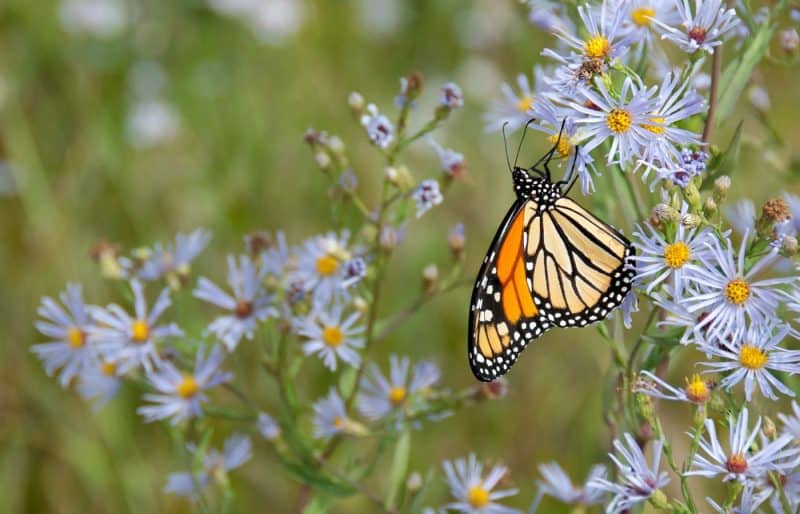
Observe Interactions Between Plants and Insects
Spend some time observing how insects interact with plants—maybe bees visiting flowers, ants collecting leaves, or caterpillars munching on leaves. Kids can take notes, sketch what they see, or even snap photos.
6. Pollination STEM Activities
Spring is buzzing, and flowers are calling! Kids can explore how pollen moves from bloom to bloom and discover the important role insects play in growing the fruits, veggies, and flowers we love. These hands-on activities turn simple observations into exciting Spring STEM Activities full of learning and discovery.
Model Pollination with Cotton Swabs and Flowers
Pollination might seem invisible, but kids can watch it happen with this hands-on experiment! By making their own flowers and adding “pollen,” children see how insects move pollen from bloom to bloom and understand why it’s so important for plants to make seeds, fruits, and flowers.
- First, make simple flowers from paper, felt, or pipe cleaners.
- Then, sprinkle a little colored powder, flour, or chalk dust on the center of each flower to represent pollen.
- Give kids cotton swabs to act like bees or butterflies.
- Use the cotton swab to pick up “pollen” from one flower and transfer it to another.
- Observe how pollen sticks and spreads between flowers.
- Experiment with moving pollen faster or slower, or “pollinating” multiple flowers.
Observe Bees and Butterflies in Action
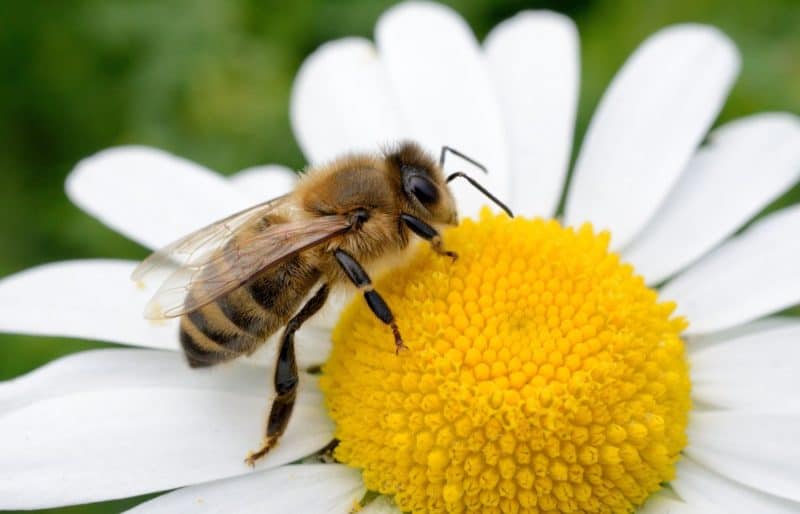
Take a walk outside or sit in the garden and watch pollinators at work! Kids can note which flowers attract bees, butterflies, or other insects, and how these visitors interact with the plants. Kids can make sketches, notes, or photos to track patterns.
Compare Self-Pollinating vs. Insect-Pollinated Plants
Some plants can pollinate themselves, while others rely on insects. Kids can observe or research examples of both types, then compare their growth, flower production, and fruiting.
- Grow or observe different plants and note how they make seeds.
- Discuss which plants need pollinators and which do not.
Insect STEM Activities
Spring is buzzing with insects, and there’s so much to explore! Kids can observe insect behavior, track movement patterns, or build safe “bug hotels” to provide shelter and study biodiversity.
7. Weather & Erosion Experiments
Spring rain does more than water plants, it quietly reshapes the land. As puddles form and water flows across soil, kids can begin to see how erosion happens and why some areas wash away faster than others. These weather and erosion activities invite children to observe how water moves soil, compare different surfaces, and explore how plants help hold the ground in place during spring storms.
Track Temperature and Daylight
Kids can measure daily temperature and record sunrise and sunset times. Observing how daylight changes over weeks teaches patterns in nature for example and introduces measurement and data-collection skills.
Measure Rainfall
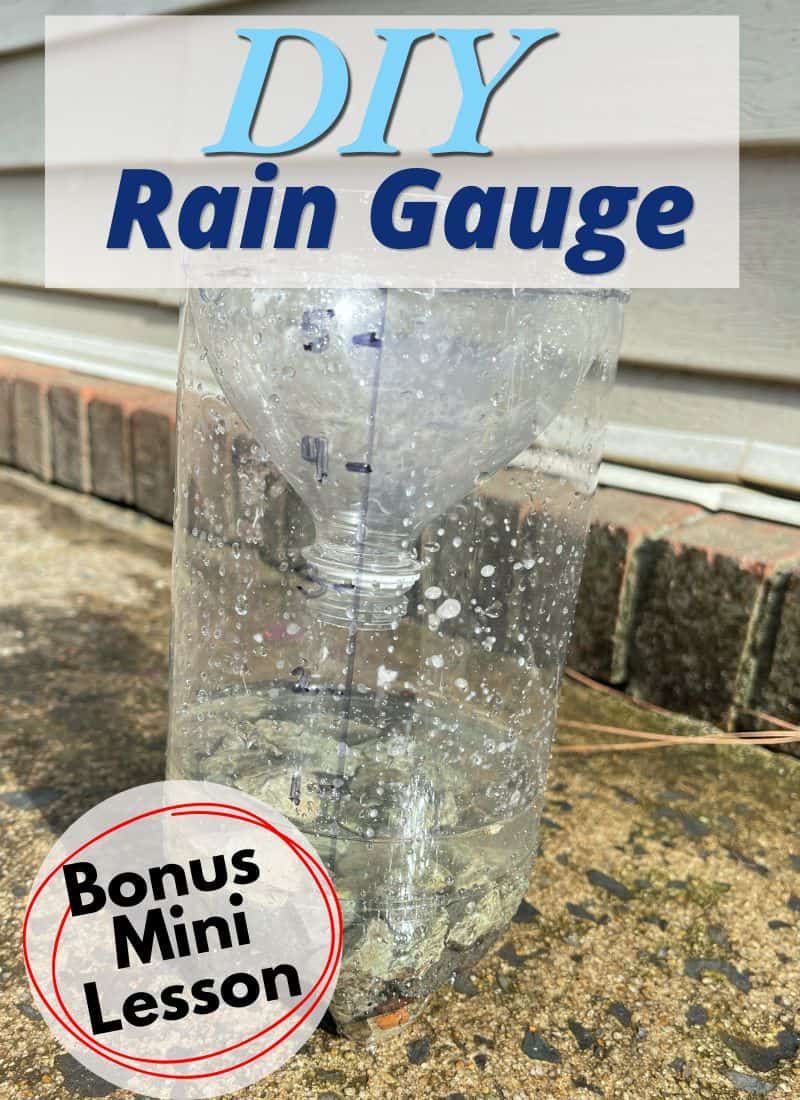
Set up a simple rain gauge to track spring showers. Kids can measure, compare, and graph rainfall amounts over time.
Here’s a full guide to creating a Rain Gauge at home!
Wind Experiments
Use pinwheels, streamers, or lightweight objects to test wind direction and strength. Kids can explore how wind affects different things such as seeds, plants, or even the flight of small paper airplanes.
Weather Impact Observations
Encourage kids to notice how weather affects plants, insects, and soil. For example, after a rainy day, they might check how soil absorbs water, how flowers stand tall, or how puddles attract insects. This encourages observation, recording, and thinking like a scientist.
Simple Soil Erosion Experiment
Spring rain can wash soil away faster than we expect. This activity lets kids see how moving water changes the land and why plant-covered ground behaves differently than bare soil.
- Fill two shallow trays or containers with soil
- Leave one tray bare and press grass, leaves, or small plants into the other
- Slowly pour water over each tray to mimic rainfall
- Watch how the water flows and notice where soil washes away or stays in place
- Talk about what happens during heavy spring rains and where erosion might occur outdoors
8. Pond Ecosystem Spring STEM Activities
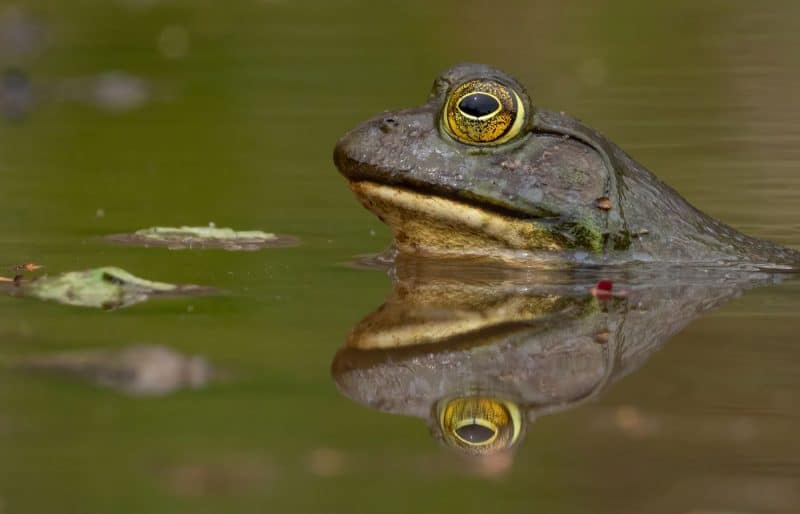
Spring ponds may look quiet, but they’re full of life just below the surface making them a great starting point for ecosystem-focused Spring STEM activities.. From wiggling tadpoles to floating plants and tiny insects, pond ecosystems offer endless opportunities for kids to observe how living things depend on one another.
Observe Algae, Insects, and Tadpoles
Whether it’s a pond in the backyard or a container filled with water, kids can watch tiny organisms like algae, insects, and tadpoles in action. Use a microscope or magnifying glassto see whats living in the pond. Encourage them to take notes, draw sketches, or photograph their findings.
Create a Mini Water Ecosystem
Kids can create a mini ecosystem by building a temporary mini water habitat using a clear container, pond water, and aquatic plants. Over a few days, they’ll observe things such as how plants float or grow, how small water creatures move and feed, and how everything in the container works together. This simple setup gives kids a close-up look at pond life and encourages careful observation and curiosity.
Compare Still vs. Moving Water
Not all water behaves the same way. A quiet pond and a flowing stream create very different environments for plants, animals, and even tiny particles in the water. This simple activity lets kids explore how water movement changes what happens beneath the surface by comparing still and gently moving water side by side.
- First, fill two clear containers with water that contains rocks/sediment.
- Leave one container untouched to represent still water.
- Gently move the water in the second container using a spoon, dropper, or slow pour.
- Observe how particles settle, move, or stay suspended.
- Discuss how ponds and streams create different living conditions.
9. Bird & Engineering STEM Activities
Spring brings more than flowers. It brings birds, nests, and a whole lot of engineering inspiration! Kids can observe how birds build nests, design feeders, and solve real-world “bird problems” while learning hands-on engineering skills. These activities encourage creativity, problem-solving, and close observation, turning your backyard into a mini science and engineering lab.
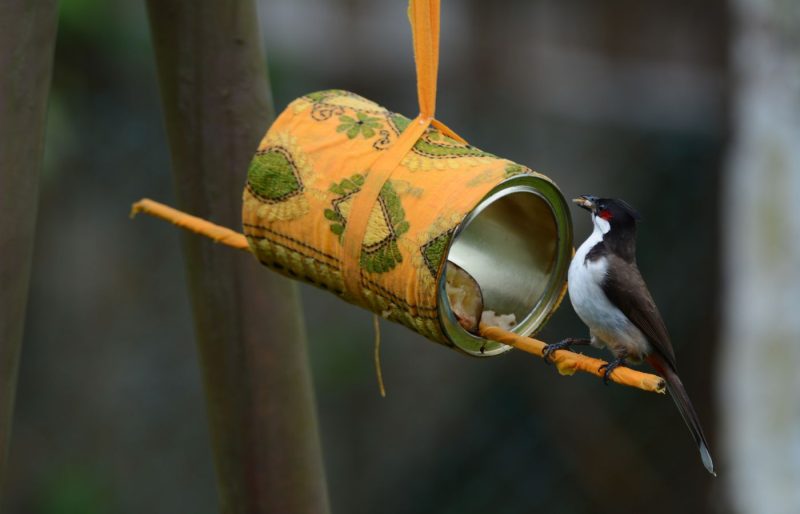
Build Bird Feeder STEM Activity
Kids can design and build simple bird feeders using recycled materials then observe the types of birds that frequent it. This teaches engineering skills, problem-solving, and gives kids a chance to observe birds up close.
Nest Engineering- Spring STEM Challenges
Challenge kids to build a “bird nest” using sticks, leaves, and string. They can then test how much weight their nest holds or how well it protects an egg.
Observe Bird Behavior
Track which birds visit feeders or nesting areas, noting their size, colors, and behavior. Kids can record findings in a journal or create a checklist. As a result they learn about local birds in your area along with the type of food they eat.
10. Nature-Inspired Art & STEM Activities
Nature is full of colors, patterns, and shapes just waiting to be explored. Kids can turn leaves, flowers, and other natural materials into prints, sculptures, or color experiments, combining art with hands-on Spring STEM activities. As a result, these activities let children observe, experiment, and create, discovering how science and creativity come together in the world around them.
Leaf & Flower Printing
Collect leaves or flowers and use paint to make prints on paper. Kids can notice patterns, symmetry, and shapes while exploring plant biology.
Nature Sculptures
Use clay, sticks, rocks, or leaves to build sculptures inspired by plants or animals in your backyard. This activity specifically encourages engineering, problem-solving, and creativity.
Color & Pattern Experiments
Use petals, seeds, or soil to explore natural pigments or patterns. For example, testing which plant parts make the brightest colors or arranging seeds in repeating patterns introduces experimentation and math in a creative context.
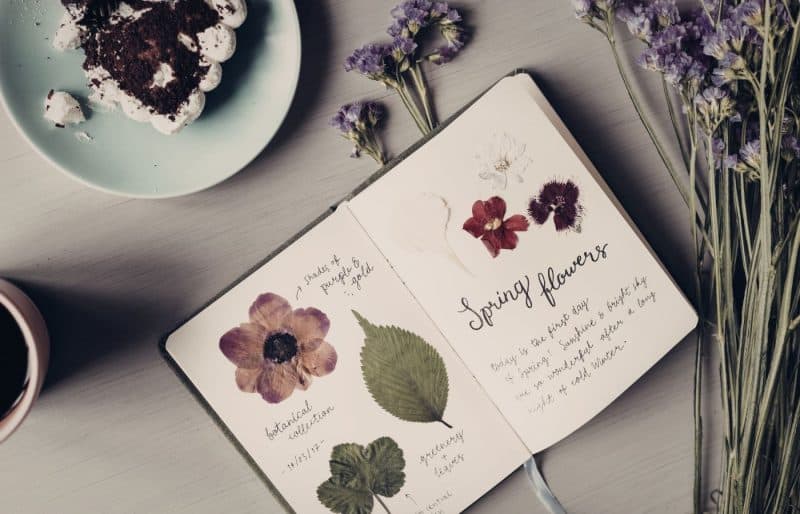
Press Leaves and Flowers
Collect Spring leaves and flowers to press which can later be used in art projects.
Check out more hands-on activities
Citizen Science Projects
Project BudBurst
A plant phenology project where volunteers track seasonal changes in plants — like when leaves bud, flowers bloom, and fruit appears — to help scientists study climate change.
Great Backyard Bird Count
Participate in the Great Backyard Bird Count, an annual event that gets bird watchers to count birds across the continent and then tallies the highest number of birds of each species seen together at one time.
Bumble Bee Watch
A nature-focused project where observers upload photos of bumble bees to help scientists monitor bee populations and distribution.
Butterfly Counts
Contribute to a census of the butterflies of North America—in the United States, Canada, and parts of Mexico. Participate in a one-day butterfly count in your area for the North American Butterfly Association.
Frequently Asked Questions About Spring STEM Activities
What age are these Spring STEM Activities for?
Most activities can be adapted for ages 4–12+, with simple modifications.
How can I turn backyard play into environmental STEM activities?
By observing plants, insects, soil, and weather, kids naturally engage in environmental STEM activities. Asking questions, recording observations, and comparing changes over time turns simple outdoor play into meaningful science learning.
Are these spring science activities good for preschoolers?
Yes! Many of these spring activities for preschoolers science focus on observation, sensory play, and simple experiments like sprouting seeds, collecting leaves, and watching worms in the soil. Activities can easily be adapted for different ages.

I’m bookmarking this. By day two, my kids are yelling about being bored. Not anymore!
Getting kids to explore nature through those seed jars is a brilliant way to show them how ecosystems work first hand. I should definitely try some of these outdoor experiments with my family once the flowers start blooming.
What a brilliant roundup. I like that the activities range from quick and simple to ones you can really spend time on. It feels very doable rather than overwhelming, which is exactly what busy parents and teachers need.
I love how this post turns spring into a playful science lab, blending creativity, nature, and hands-on learning in a way that feels exciting rather than academic. The variety of activities makes it easy for parents and educators to spark curiosity while keeping kids engaged through simple, seasonal exploration. It’s a cheerful reminder that STEM can feel like an adventure outside, not just something that happens at a desk.
Oh, this is really good, like really good. My grandkids love hands-on STEM projects, and I know they would have a blast with these 40 activities. I can totally relate to Beth too, because after a while it’s always “I’m bored.” Not this time, though. We’ll definitely be trying out a few of these activities this spring.
These are all such great ideas! I love springtime and being able to get outside with my kids. These are also great ideas for projects with my scouts.
These are all wonderful ideas for things to do with kids! I always tried to work in an educational component into things. I like the idea of spring planting.
So many great ideas for the spring! My kids would love the tadpoles and algae activity, looking forward to doing it with them!
These are all fabulous suggestions of STEM based activities. I am constantly looking for things to do with my little one to cut his screen time. I know he would very much enjoy digging in the soil to see what kind of insects he can scare mummy with lol.
My niece is in a STEM program and loves it! These are such great programs for kids!
This is an impressive list of Spring STEM activities that would put a smile on the faces of both teachers and students.
I love spring and look forward to exploring nature and gardening. There is so much to see and do and your post confirms that fact.
This list will definitely keep the kids busy and having fun. I love the idea of doing plant life cycle experiments. I remember doing those as a child and really loving them.
Building an ecosystem model sounds exciting too, so we’re going to try that.
Great tips! I always loved having my daughter help me in the garden when she was young. Such a fun leaning experience.
These are really great ideas! I have 3 STEM-loving boys. I’m saving this one to come back to!